PRIVATE CARE FILE
After a recent sexual exposure: what to do now
Do not wait for symptoms. If possible HIV exposure was within 72 hours, seek urgent in-person clinical assessment for PEP. A clinician can also discuss pregnancy prevention where relevant, hepatitis B protection, baseline testing and a repeat-testing plan.

What matters in the first hours?
Record when the exposure happened and seek urgent clinical advice when HIV or pregnancy risk may be present. Do not self-start antibiotics or wait for a routine online reply.
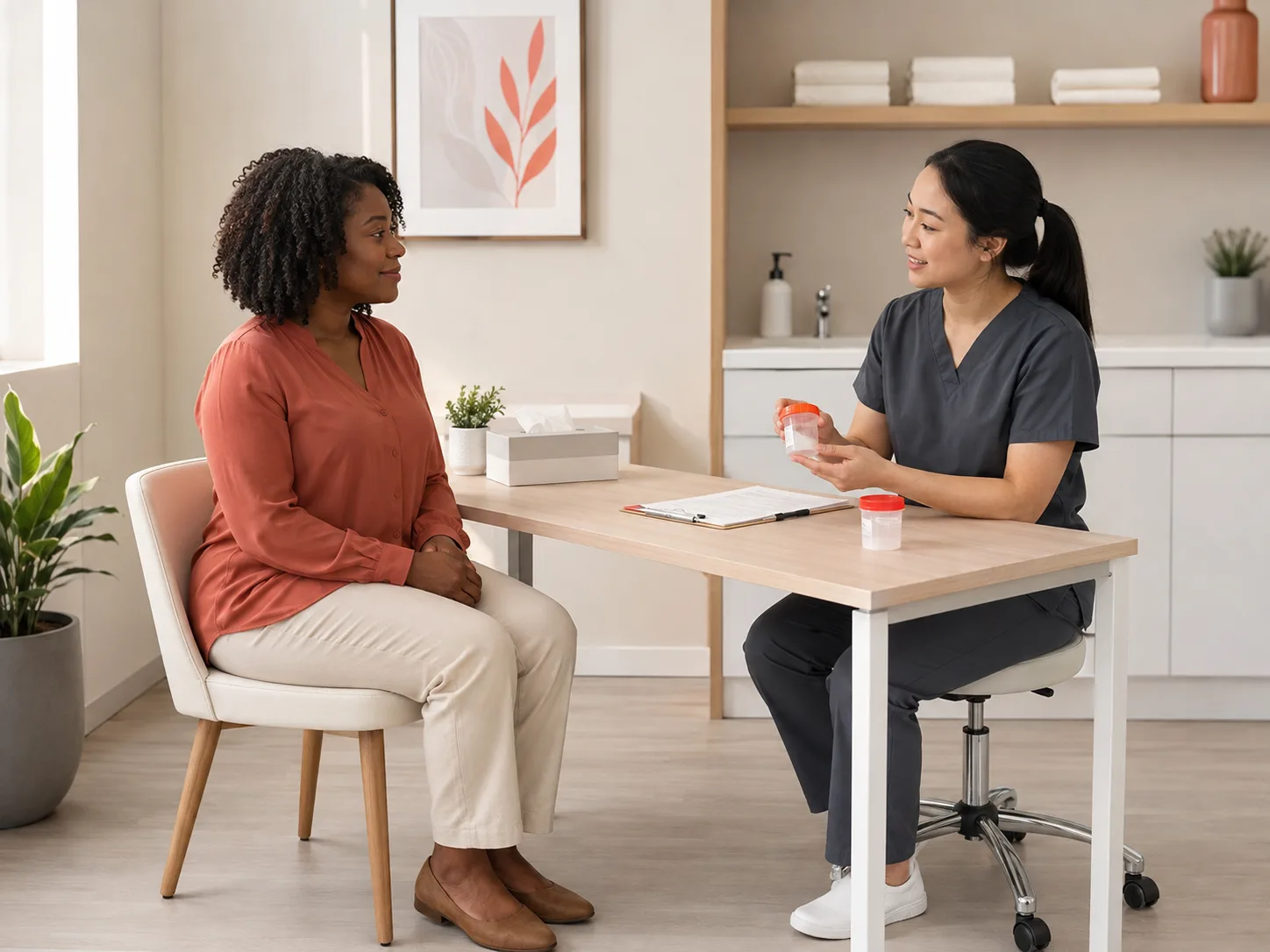
What will a clinician ask?
Expect practical questions about timing, type of exposure, barrier use, body sites, source information if known, pregnancy possibility, hepatitis B vaccination, symptoms, medicines and allergies.
- 01
Assess immediate prevention
Discuss HIV PEP, pregnancy prevention and vaccination needs where relevant.
- 02
Plan baseline tests
Some tests establish a starting point even when it is too early to exclude a new infection.
- 03
Set repeat dates
Know exactly when later tests or clinical review are recommended.
When should you seek emergency help?
Seek urgent in-person care for severe pelvic or testicular pain, heavy bleeding, fainting, high fever, rapidly worsening illness, sexual assault, or possible HIV exposure within 72 hours.
If sexual contact was not consensual, prioritise immediate safety and emergency medical support. You can request trauma-informed care and decide what information to share.
FAQ
Should I test immediately?+
A clinician may recommend baseline testing now, but some infections cannot be ruled out immediately. You may need repeat testing at defined times.
Can antibiotics prevent every STD after exposure?+
No. Do not self-medicate. Prevention and treatment decisions depend on the infection, exposure and individual clinical factors.
Should I contact a partner?+
A clinician can advise on communication, testing and temporary sexual precautions without blame or guesswork.
MEDICAL SOURCES
NEXT IN THE GUIDE